
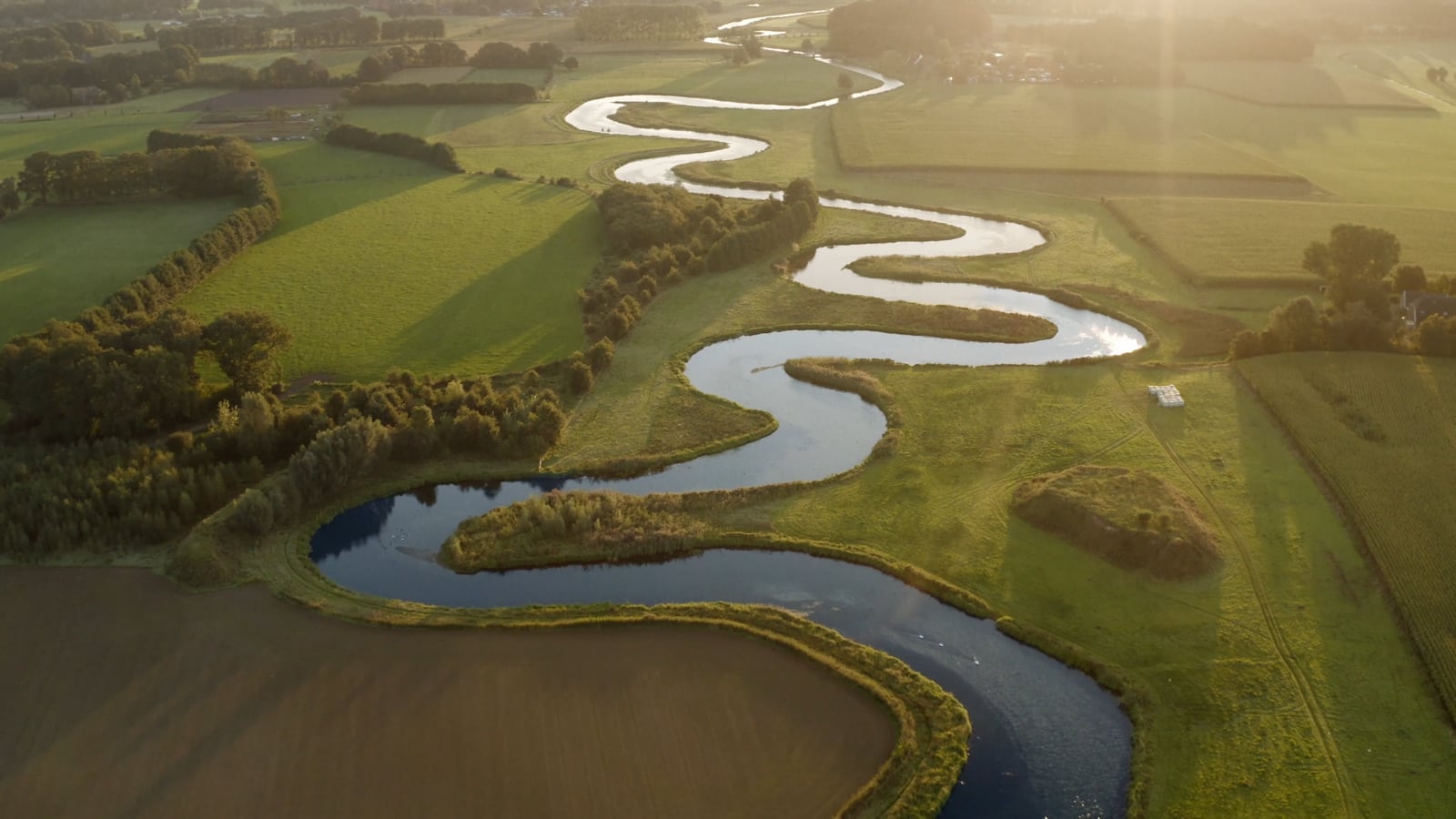
Welcome to the Netherlands - A small country that’s big on culture and nature
For those who want to experience more than just Amsterdam, the Netherlands is perfect this summer. Travel comfortably by train to cities such as Utrecht, Rotterdam, The Hague or Maastricht, where historic streets, museums and modern architecture are all within easy reach. From there, it’s easy to head over to the coast, the countryside or nearby villages. In short, it’s the perfect time of year for combining culture and relaxation in the Netherlands.

The world’s greatest art nation, in pocket size
The Netherlands is home to a huge variety of museums, and all within a small radius.

Slow city escapes: city and tranquillity
Discover how compact and layered the Netherlands is with this guide for mindful, peaceful city breaks.

Fashion-forward Netherlands!
Join us on a fashionable trip through the Netherlands and discover all the best fashion hotspots.
Podcast for culture lovers

Listen & discover the Netherlands!
Hear all about surprising places and interesting stories from the Netherlands.
More about the podcastExplore our cities like a true local


Let’s go outside!
Summer is the perfect time for exploring the Netherlands at a more relaxed pace. Why not start the day at a museum, then take the train to another town, and finish up by the water when it stays light for longer? With historic neighbourhoods and charming coastal towns all within easy reach, you can make the most of your trip to the Netherlands without having to travel long distances.


Summer in the Netherlands? Read on!

Beyond Amsterdam: the top 8 city breaks
The Netherlands in 7 stories


Travel sustainably

Did you know: Here your meal has often travelled fewer miles than you. Read more about local food
The Netherlands by train
The train is a great way to explore the Netherlands. You’ll be guaranteed to have the wind at your back!
Sustainable Travel Packing Tips
Reduce your impact on the environment by packing sustainably. Check out our handy guide.
Agritourism activities: discover the Dutch countryside
Discover the Dutch countryside: where nature, adventure, and local flavours await you.
The Netherlands is EV-friendly
The Netherlands is extremely EV-friendly and makes it easy to explore the country by electric car.