
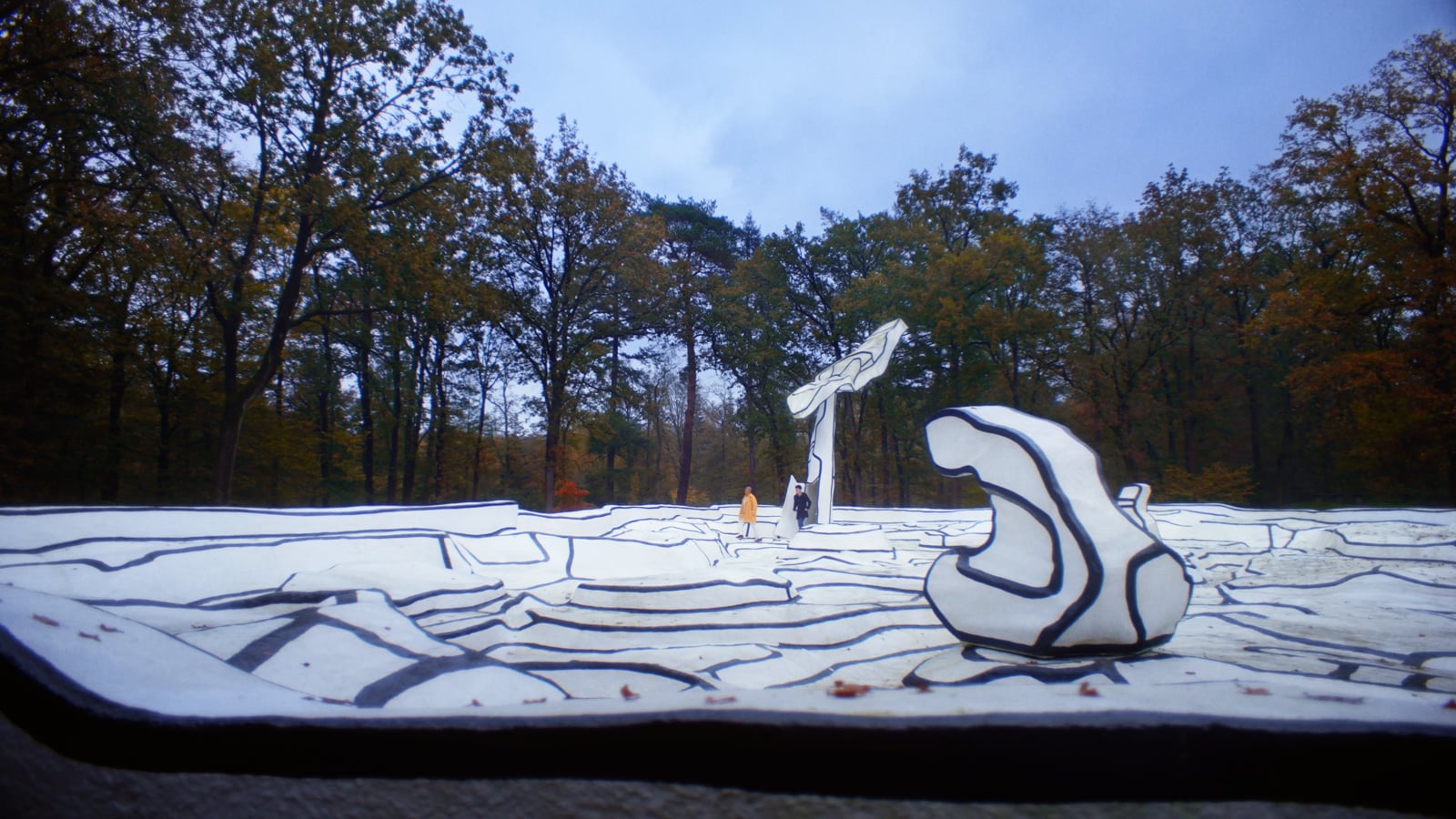
Welcome to the Netherlands - A small country that’s big on culture and nature
Visiting the Netherlands this autumn? Then you’ve chosen the perfect season to see more than the usual hotspots. You could take the train to Utrecht, Nijmegen or Leiden, visit a museum and then stroll through a charming, historic neighbourhood or a park ablaze with autumn colours. Vibrant city life, culture and nature are literally right next to one another here.

Beyond Amsterdam: the top 8 city breaks
Discover 8 Dutch cities where culture, gastronomy and nature are surprisingly close together.
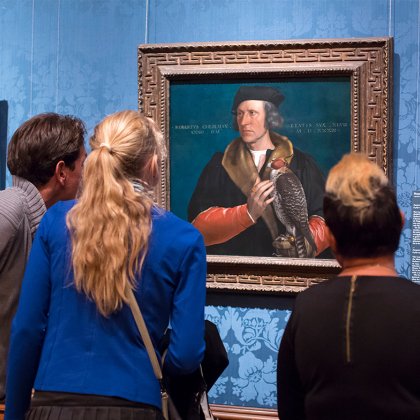
Museums in the Netherlands
Discover the wide range of museums and galleries to visit on your trip to the Netherlands
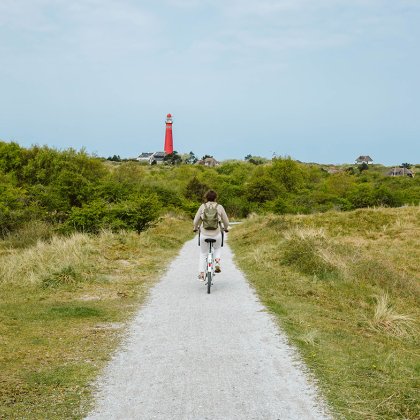
Wadden: Every island is unique
Discover a magical world amongst the tides. Visit the Dutch islands of Texel, Vlieland, Terschelling, Ameland and Schiermonnikoog and enjoy everything they have to offer.
Podcast for culture lovers

Listen & discover the Netherlands!
Hear all about surprising places and interesting stories from the Netherlands.
More about the podcastExplore our cities like a true local


Let’s go outside!
Autumn is the perfect time of year for exploring the Netherlands at your own pace. Start the day at a museum, then catch a train to another city and take a relaxing late afternoon stroll through a park or along the waterfront. You’ll find plenty of variety here without your trip feeling rushed with an overpacked itinerary.


Discover the Netherlands in autumn

Slow city escapes: city and tranquillity
The Netherlands in 7 stories


Travel responsibly

Did you know: The train is a great way to explore the Netherlands. You’ll be guaranteed to have the wind at your back! More about the Netherlands by rail
Extraordinary places to stay
Find special and sustainable accommodation in the Netherlands, from eco-hotels to glamping.
The Netherlands is EV-friendly
The Netherlands is extremely EV-friendly and makes it easy to explore the country by electric car.
Agritourism activities: discover the Dutch countryside
Discover the Dutch countryside: where nature, adventure, and local flavours await you.
Regional products in the Netherlands
Explore local heritage and the quality products which are a specialty to each region.