

Welcome to the Netherlands - A small country that’s big on culture and nature
The Netherlands: where age-old charm meets modern creativity. Admire masterpieces in our museums, stroll through historic streets and discover iconic design. Each city, from Rotterdam to Arnhem, offers a different facet of the country. Take your time, sample the culture and experience how relaxing a city escape or a stay in the middle of Dutch nature can be.

7 remarkable cycling destinations in the Netherlands
Discover the country's best cycling routes: from historic Hanseatic cities to vast natural landscapes.

Tulip paradise in the Netherlands
Discover the colourful tulip fields off the beaten track and enjoy the splendour of the Dutch flowers.

A culinary journey through the Netherlands
Dutch cuisine never stands still. Get to know the country’s dynamic food scene.
Podcast for curious travellers

Listen & discover the Netherlands!
Hear all about surprising places and interesting stories from the Netherlands.
More about the podcastExplore our cities like a true local


Let’s go outside!
The Netherlands will be more colourful than ever in the coming months! Experience our thriving nature, get a breath of fresh air by the peaceful Wadden Sea or experience groundbreaking architecture in our vibrant cities. Wherever we may host you this spring, we will make sure you always feel welcome.

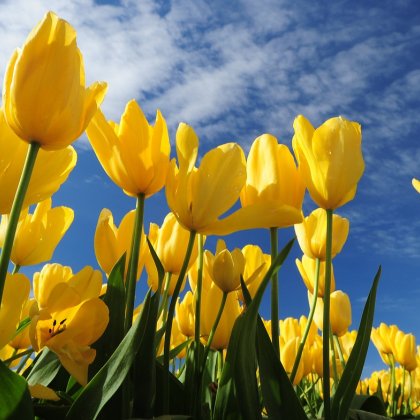
Things to do in spring
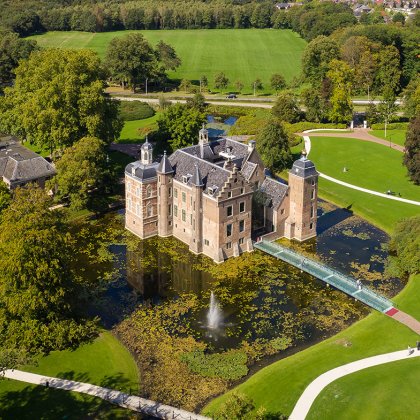
Dutch castles and country estates
The Netherlands in 7 stories


Travel sustainably

Did you know: In the Netherlands, every bike ride brings you a little closer to nature, villages and tranquillity. Explore the best cycling routes
Agritourism activities: discover the Dutch countryside
Discover the Dutch countryside: where nature, adventure, and local flavours await you.
The Netherlands: a wonderful wine country
Visit sustainable vineyards and sample the diverse wines of the Netherlands.
The Netherlands by train
The train is a great way to explore the Netherlands. You’ll be guaranteed to have the wind at your back!
The Netherlands is EV-friendly
The Netherlands is extremely EV-friendly and makes it easy to explore the country by electric car.